

Why “kick the buddy” (and similar games) are fun to play
Kick The Buddy [Unspecified Salary Range]-
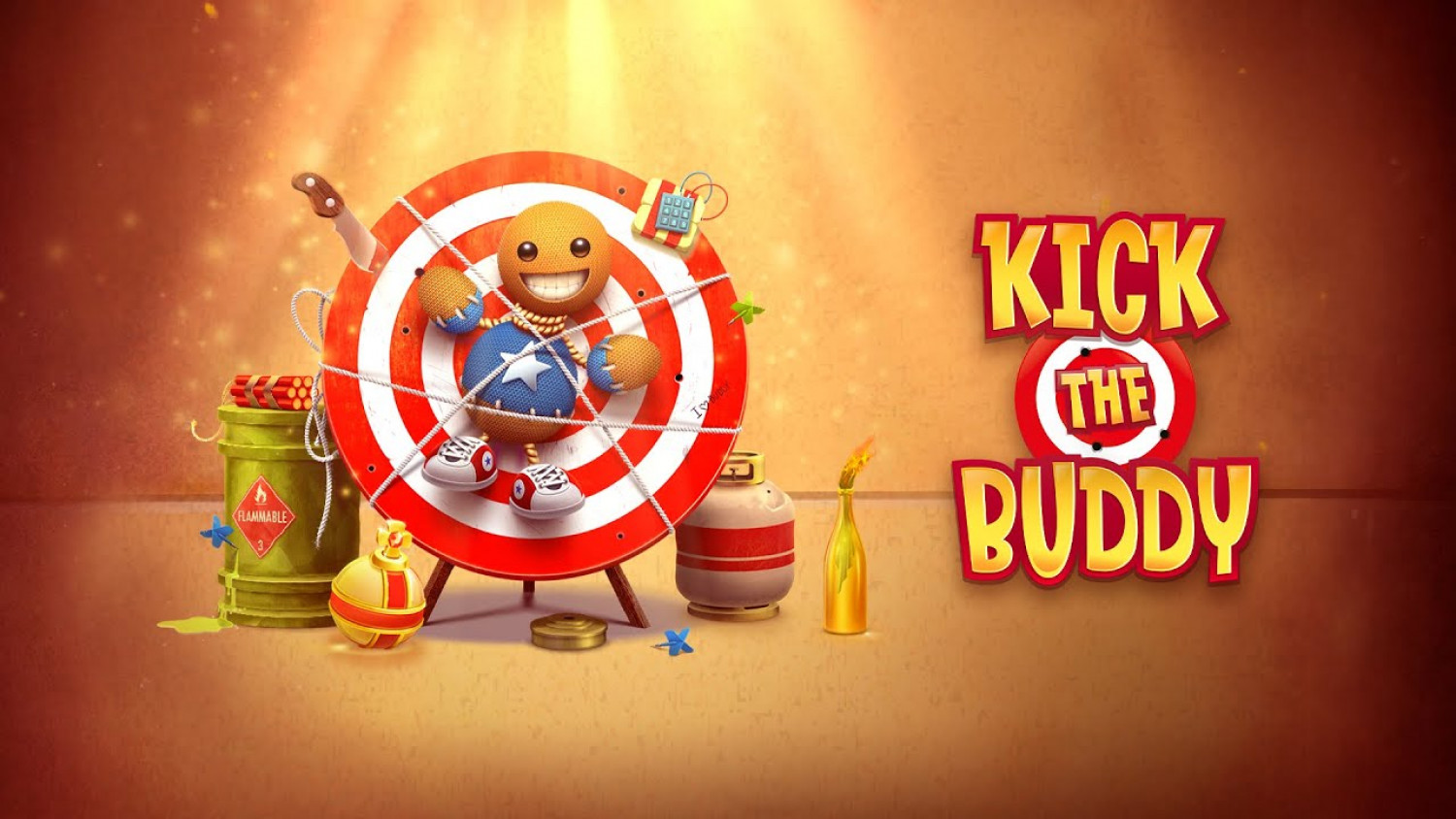
Sometimes the best games aren’t the ones with the biggest worlds or the most complicated rules—they’re the ones that are easy to start, satisfying to try, and interesting to replay, kick the buddy is a great example of that kind of game experience. It’s the sort of game where you can jump in quickly, experiment with your timing and aim, and get a new “aha!” moment every time you play.
In this article, I’ll show you how to experience “kick the buddy” in a fun, low-pressure way—and then I’ll share general tips you can use for other interesting games too. The goal is simple: make your play sessions more enjoyable, more consistent, and more rewarding, even if you’re not chasing high scores.
Gameplay: How to enjoy “kick the buddy” moment to moment
Even if you’re new, you can treat “kick the buddy” like a friendly sandbox. The most important thing is to understand the core loop: you interact, the game responds, and you adjust your next move based on what you just learned.
1) Start with curiosity, not competition
When you begin, try not to focus on winning immediately. Instead, think: What seems to work here? Early rounds are perfect for learning the rhythm of the controls and understanding how the game reacts to your actions.
A useful mindset is to treat each attempt like a mini experiment:
- What happens if I act faster?
- What happens if I aim slightly differently?
- Does this area behave differently from that one?
2) Pay attention to timing
Many simple games feel “easier than they should be” until you realize timing matters. If the game involves a timing window (like when you hit, launch, or interact), you’ll notice that being off by just a little can change the outcome.
A good way to practice is to keep your movements controlled:
- Make smaller adjustments rather than dramatic changes.
- Focus on consistency for a few attempts.
- When you notice a pattern that succeeds, repeat it a couple times to confirm.
3) Learn the physics (or rules) the game is using
Games like “kick the buddy” often rely on straightforward logic—momentum, direction, contact, or other “rules you can feel.” You don’t need to memorize a formula. Instead, try to build intuition:
- Watch the trajectory after your action.
- Notice where outcomes cluster (for example, near certain angles or distances).
- Compare what happens on successful vs. unsuccessful attempts.
Over time, your brain starts predicting what the game will do, and that’s when it stops feeling random and starts feeling skill-based—even if the skill is fairly casual.
4) Give yourself small challenges
If the game includes goals (like knocking something into a zone), you can set personal objectives:
- “Can I get this result three times in a row?”
- “Can I do it with fewer attempts?”
- “Can I try a new strategy and see if it works?”
Small challenges keep the experience fresh and prevent repetition from becoming boring.
Tips: Make your play more fun, smoother, and more interesting
Here are some practical tips that work well for “kick the buddy” and for many other games with simple mechanics.
Tip 1: Adjust one variable at a time
It’s tempting to change everything at once—speed, direction, strategy, camera angle, everything. But that makes it hard to learn.
Instead, do “single-variable tuning”:
- Change only your aim.
- Keep timing consistent.
- Then change only timing while keeping aim consistent.
This approach turns frustration into insight.
Tip 2: Keep sessions short and friendly
If you’re playing for fun, don’t grind endlessly. Try 10–20 minute sessions. When you feel yourself getting tired or annoyed, stop and come back later. Many people play better—and enjoy it more—after a break.
Tip 3: Watch your own patterns
After a round (especially one that feels like a near miss), ask yourself:
- Where did things go wrong—early, mid-way, or at the end?
- Did you hesitate or rush?
- Did you change your action too late?
You don’t need to write a full review, but noticing patterns helps you improve without stress.
Tip 4: Use “failure” as feedback
In games like “kick the buddy,” failed attempts aren’t wasted. They show you the boundaries of what’s possible.
Try this reflection format:
- What happened?
- What did I expect?
- What’s the likely reason for the difference?
Even one sentence is enough to keep you learning.
Tip 5: Try different approaches
If there’s more than one way to succeed, explore them. For example:
- A “safe” approach (more controlled, fewer surprises)
- A “risky” approach (bolder movement, faster timing)
- A “stylish” approach (aiming for a trickier route)
Switching approaches prevents the game from feeling like you’re trapped in one strategy.
Tip 6: Invite a friend or compare notes
Some games become extra fun when someone else watches or joins in. You can laugh together at weird outcomes and trade tips like:
- “I think the key is waiting half a beat longer.”
- “Try aiming slightly upward.”
If playing solo, you can still keep it social by sharing what worked on a forum or in comments. (No need to brag—just be honest and helpful.)
Conclusion: Turn a simple game into a repeatable good time
Games like kick the buddy—whether you play it casually or with a bit of experimentation—show that entertainment doesn’t have to be complicated. The fun comes from interaction, feedback, and the small sense of growth you get as your timing and intuition improve.
So the next time you open a game like this, try approaching it as a friendly practice session rather than a test. Keep your adjustments small, watch what the game teaches you, and set personal goals that make the experience enjoyable. With that mindset, even the simplest game can feel fresh every time you play.
[email protected]
341 unique users